understanding the flow control solenoid valve: applications and benefits
Release time:2025-12-09 17:27:33
The Flow Control Solenoid Valve is a pivotal component in various automation and control systems. This valve regulates the flow of fluids, such as liquids and gases, by utilizing an electromagnetic mechanism. Controlled by an electric signal, the Flow Control Solenoid Valve provides precise flow control, contributing to the efficiency and safety of a broad range of applications. This article will explore the working principle, types, applications, and benefits of Flow Control Solenoid Valves.
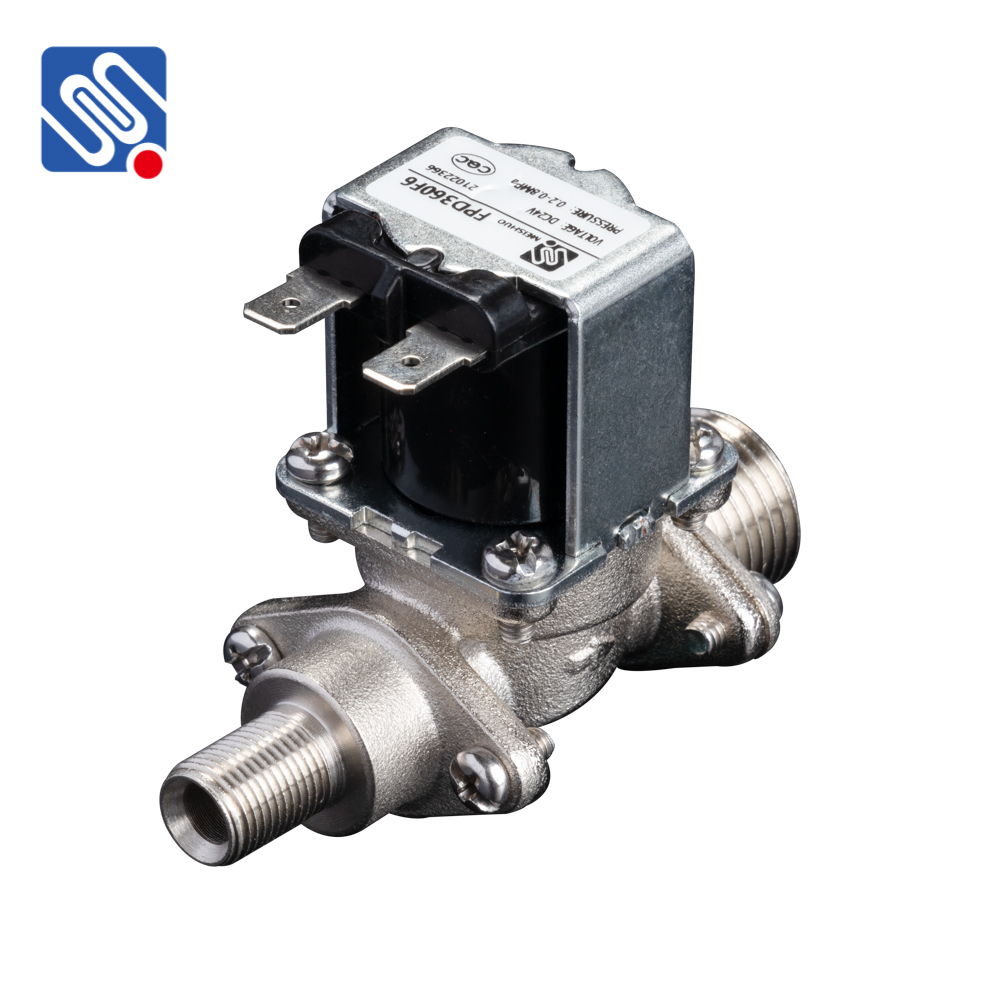
What is a Flow Control Solenoid Valve? A Flow Control Solenoid Valve is an electromechanical device that regulates the flow rate of fluids within a system. The valve consists of a solenoid coil and a movable plunger or core. When an electric current passes through the solenoid coil, it generates a magnetic field, which activates the plunger to open or close the valve. By controlling the valve's opening or closing, the flow of the fluid can be adjusted according to system requirements. These valves are widely used in applications requiring precise flow regulation, such as hydraulic and pneumatic systems, HVAC (Heating, Ventilation, and Air Conditioning) systems, and automotive applications. The ability to control fluid flow automatically enhances system performance, efficiency, and safety.




 Chat Oline