relay type selection: key factors for choosing the right relay for your application
Release time:2025-12-09 17:28:51
Relay type selection is a critical aspect of electrical and control system design, influencing system performance, reliability, and safety. A relay is an electrical device used to open or close contacts in a circuit, often to control a high-power circuit with a low-power control signal. Selecting the appropriate relay for a given application involves understanding the requirements of the system and the specific characteristics of various relay types. This article explores the key factors to consider when choosing the right relay for your application.
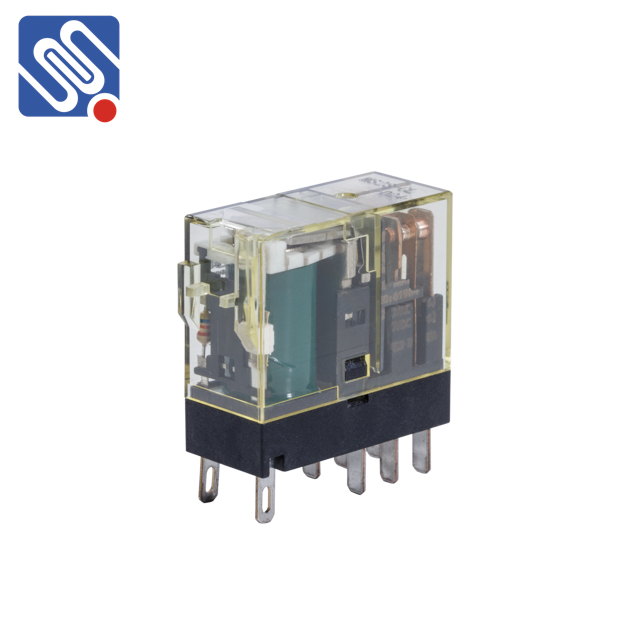
1. Understanding Relay Types Relays come in a wide range of types, each suited for different functions. The primary distinction is between mechanical and solid-state relays. Mechanical relays use physical moving parts to open and close electrical contacts, while solid-state relays (SSRs) use semiconductor components to perform the switching function without moving parts. Solid-state relays are typically more durable and faster but are usually more expensive than mechanical types. The most common relay types include: Electromechanical relays (EMRs): These relays are ideal for switching high currents or voltages and are used in a variety of industries.




 Chat Oline