the importance and functionality of ro solenoid valves in water treatment systems
Release time:2025-12-09 17:51:25
Reverse osmosis (RO) systems have become indispensable in modern water purification processes, ensuring clean and safe drinking water by removing harmful contaminants. One crucial component that aids in the optimal functioning of RO systems is the RO solenoid valve. This article explores the importance and functionality of RO solenoid valves in water treatment systems, shedding light on how these valves contribute to maintaining system efficiency and longevity.
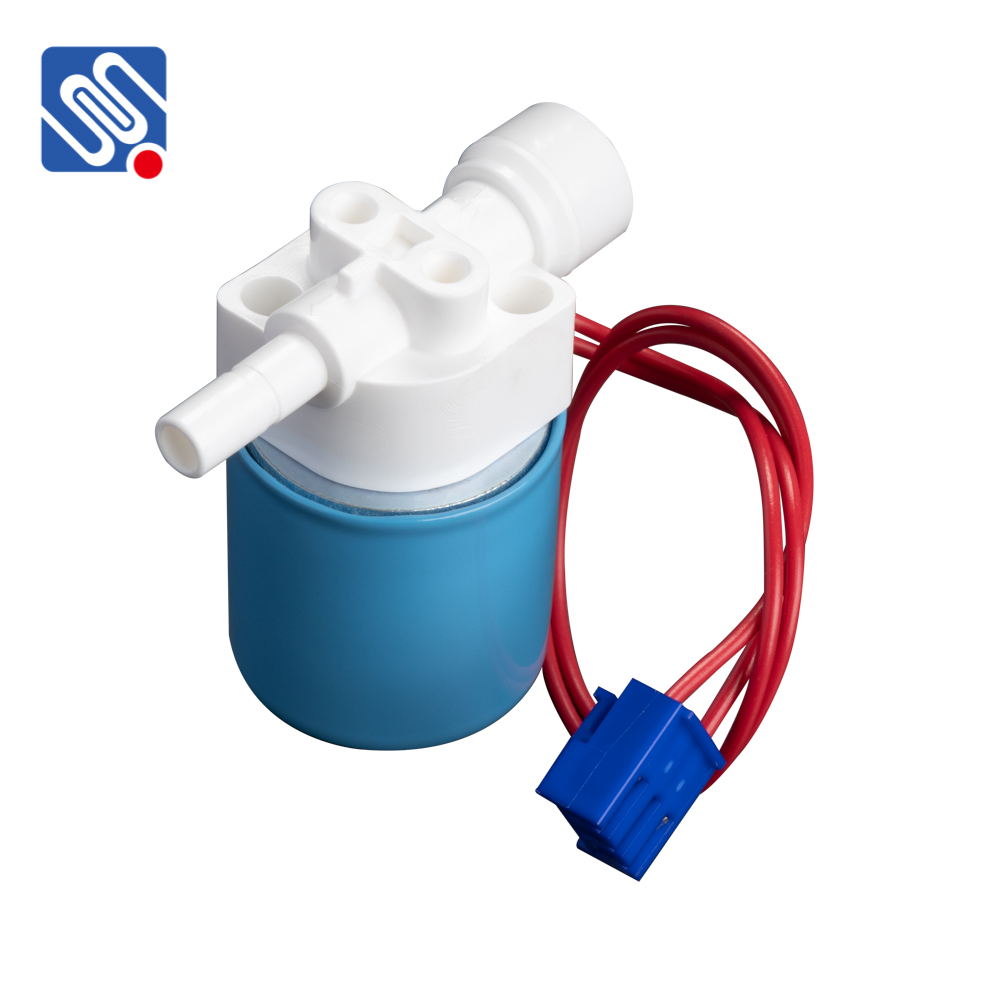
What is an RO Solenoid Valve? An RO solenoid valve is an electromechanical valve that controls the flow of water in reverse osmosis systems. It is typically used to automate the opening and closing of water supply lines, ensuring that water flows into the system when needed and stops when it’s not. The valve operates using an electromagnetic coil, which opens or closes a valve seat to regulate water flow, thereby helping maintain a consistent pressure within the system. Working Principle of an RO Solenoid Valve The working principle of an RO solenoid valve is based on the electromagnetic force generated by the valve’s coil. When electrical current flows through the solenoid, it generates a magnetic field that moves a plunger or armature within the valve, opening or closing the valve. When the current is switched off, a spring or other mechanism closes the valve automatically.




 Chat Oline