solenoid valve for liquid control: a key component in fluid automation systems
Release time:2025-12-09 17:51:37
Solenoid valves are an essential component in modern automation systems, particularly for controlling the flow of liquids. Whether in industrial processes, HVAC systems, or even everyday appliances, solenoid valves play a pivotal role in regulating the movement of fluid with precision and efficiency. This article explores the fundamental aspects of solenoid valves for liquid control, including their operation, types, applications, and benefits.
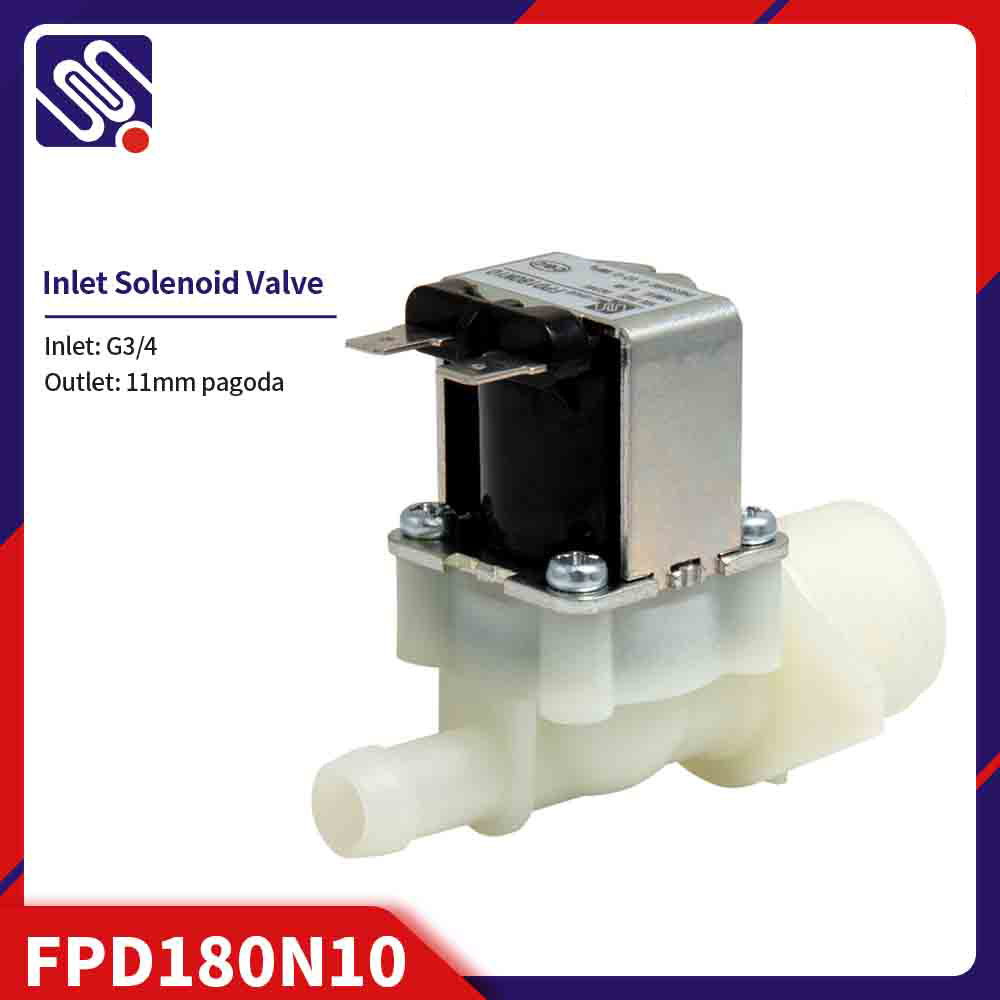
What is a Solenoid Valve? A solenoid valve is an electromechanical device used to control the flow of liquids, gases, or other fluids in a pipeline or system. The valve uses a solenoid, which is an electromagnet, to operate the valve’s mechanism. When an electrical current passes through the solenoid, it generates a magnetic field that moves a plunger or armature inside the valve. This action opens or closes the valve, either allowing or blocking the flow of fluid through the system. Solenoid valves are commonly found in both normally open (NO) and normally closed (NC) configurations. In a normally open solenoid valve, the valve remains open when the solenoid is not energized, allowing fluid to pass through. Conversely, a normally closed solenoid valve stays shut when not energized, blocking the fluid flow until the solenoid is activated.




 Chat Oline