automotive relay coil specifications: key considerations and understanding
Release time:2025-12-09 17:59:10
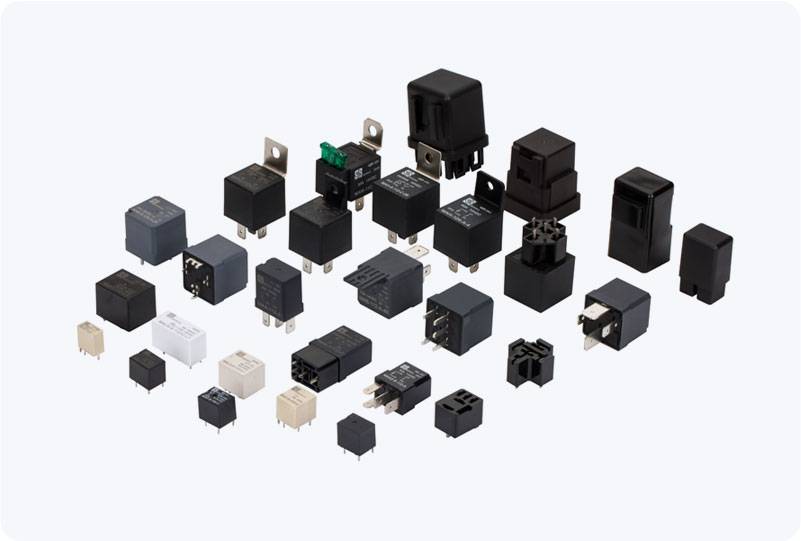
Automotive relays are integral components in modern vehicles, enabling the efficient control of electrical circuits. These electromechanical switches play a crucial role in managing high-power devices like motors, lights, and horns by using low-power control signals. The coil within a relay is the heart of its operation, and understanding its specifications is key for ensuring that the relay functions effectively and reliably within an automotive environment. This article delves into the key specifications of Automotive relay coils, offering insights into their importance in the electrical systems of vehicles.
1. Coil Voltage The most fundamental specification of a relay coil is its nominal coil voltage.
Automotive relays are generally designed for 12V or 24V systems, depending on the vehicle's electrical setup. The majority of passenger vehicles use a 12V system, while commercial trucks and larger vehicles typically use 24V systems. The nominal coil voltage refers to the standard voltage at which the relay is designed to operate. Automotive relay coils must function reliably within a specified operating voltage range, which is usually 10% higher or lower than the nominal voltage. For example, a 12V relay might operate effectively within the 10.8V to 13.2V range.




 Chat Oline