understanding power relay: function, types, and applications
Release time:2025-12-09 22:39:29
Power relays are integral components used in electrical and electronic systems to control high-power devices with low-power signals. These versatile devices enable automated control of circuits, offering both isolation and flexibility in handling high currents and voltages. With their ability to manage various power demands, power relays are widely used in industrial, automotive, and home appliances. This article explores the function, types, and common applications of power relays, emphasizing their importance in modern electrical systems.
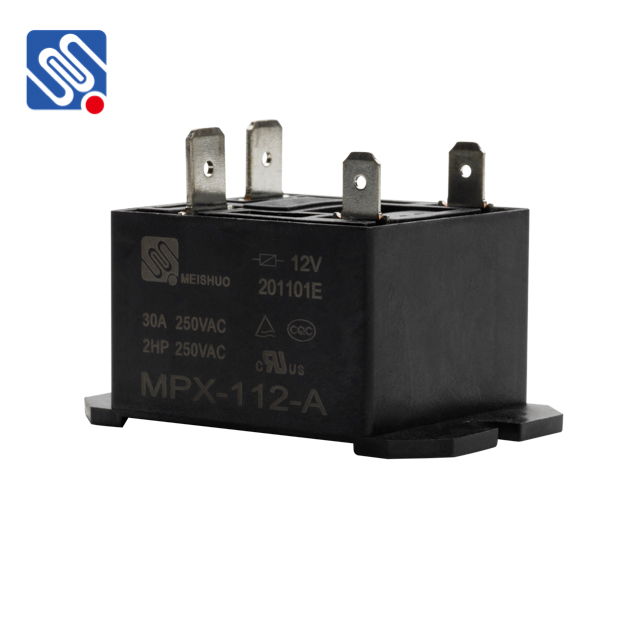
What is a Power Relay? A power relay is an electromechanical switch that opens or closes a circuit under the control of a low-power signal. At its core, a power relay consists of an electromagnet, a set of contacts, and a spring mechanism. When current flows through the electromagnet, it generates a magnetic field that causes the contacts to either close or open, allowing or interrupting the current flow in the controlled circuit. The fundamental advantage of using a relay is its ability to isolate the control circuit from the power circuit. This feature protects sensitive control systems from high voltages and electrical surges, ensuring the longevity and reliability of the control system. Power relays can handle high voltages and currents that are beyond the capabilities of manual switches or low-power devices.




 Chat Oline