understanding electromagnetic relay: working principles, applications, and advantages
Release time:2025-12-09 23:32:01
Electromagnetic relays are essential components in the world of electrical engineering, often used for controlling circuits in a variety of applications, from household appliances to industrial systems. This article explores the fundamental concepts of electromagnetic relays, including their working principles, different types, advantages, and real-world applications.
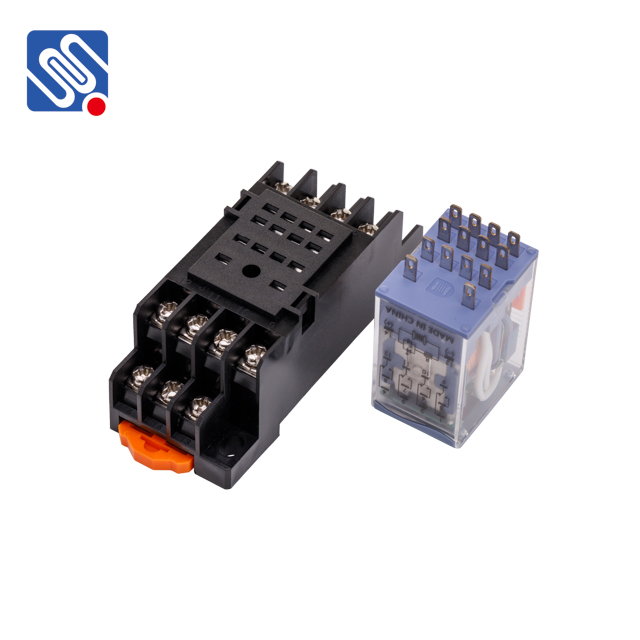
Working Principle of Electromagnetic Relay At its core, an electromagnetic relay operates on a simple principle: an electric current creates a magnetic field. This magnetic field is used to control the opening and closing of switches, which in turn control the flow of current in a circuit. The main components of an electromagnetic relay include the coil, armature, contacts, and spring. Coil: The coil is a wire wound into a solenoid shape, through which current passes. When current flows through the coil, it generates a magnetic field around it. Armature: The armature is a movable metal piece that is attracted to the magnetic field created by the coil. It serves as the mechanism for changing the state of the relay’s contacts.




 Chat Oline