industrial relay: the backbone of modern industrial automation
Release time:2025-12-10 00:18:37
Industrial relays are essential components in automation and control systems, enabling the management and regulation of electrical circuits in a wide range of industrial applications. These electromechanical or solid-state devices provide electrical isolation between control and power circuits, ensuring the safe and efficient operation of industrial systems. From machine control to system protection, industrial relays play a pivotal role in ensuring smooth and reliable operation across industries such as manufacturing, energy, transportation, and more.
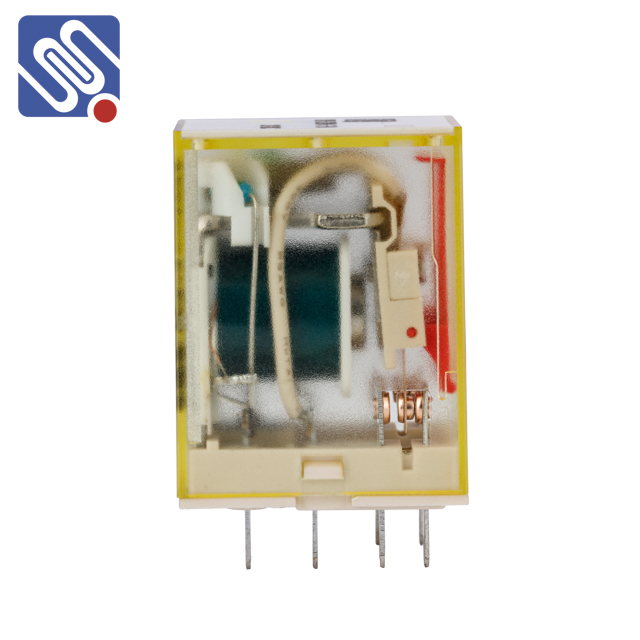
What Is an Industrial Relay? An industrial relay is a switching device used to control the flow of electrical energy through a circuit. It typically operates by using a small control signal to actuate a switch that controls a much larger current or voltage in a different circuit. This allows for the remote control of high-power equipment and ensures the separation between low-voltage control circuits and high-voltage load circuits. Industrial relays come in various types, each suited to different applications and needs. They can be classified into electromagnetic relays, solid-state relays, thermal relays, time-delay relays, and intermediate relays. Each type has specific characteristics and advantages, making it essential to select the right relay for a given task.




 Chat Oline