relay procurement guide: key considerations for efficient sourcing
Release time:2025-12-10 01:07:26
When it comes to sourcing relays for industrial applications, a well-structured procurement process is crucial for ensuring both efficiency and reliability. Relays are vital components in various control systems, ranging from industrial automation to electrical circuit protection. The Relay Procurement Guide aims to provide procurement professionals, engineers, and project managers with key considerations and best practices to ensure they select the right relay for their specific needs, while maintaining cost-effectiveness and long-term reliability.
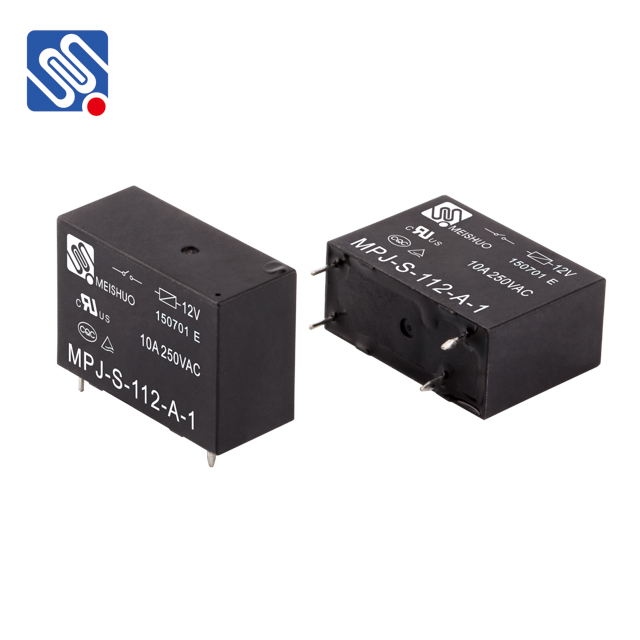
1. Understanding Relay Types The first step in relay procurement is understanding the different types of relays available on the market. Relays can be categorized by their function, design, or method of operation. Some common types include: Electromagnetic Relays (EMR): These are the most traditional type and are widely used in control systems for switching high-power circuits. Solid-State Relays (SSR): These relays use semiconductor components to switch circuits without mechanical moving parts, offering higher reliability and faster switching speeds. Thermal Relays: Used primarily for overcurrent protection, these relays respond to changes in temperature caused by excessive electrical current.




 Chat Oline