high flow solenoid valve: a key component for efficient fluid control
Release time:2025-12-10 01:38:31
A High Flow Solenoid Valve (HFSV) is an essential component in modern industrial and automation systems, specifically designed to control the flow of fluids such as gases and liquids in applications requiring high throughput. As industries evolve and demand higher efficiency, precision, and automation in their processes, the role of such valves becomes even more significant. This article explores the importance, working principle, applications, and advantages of High Flow Solenoid Valves.
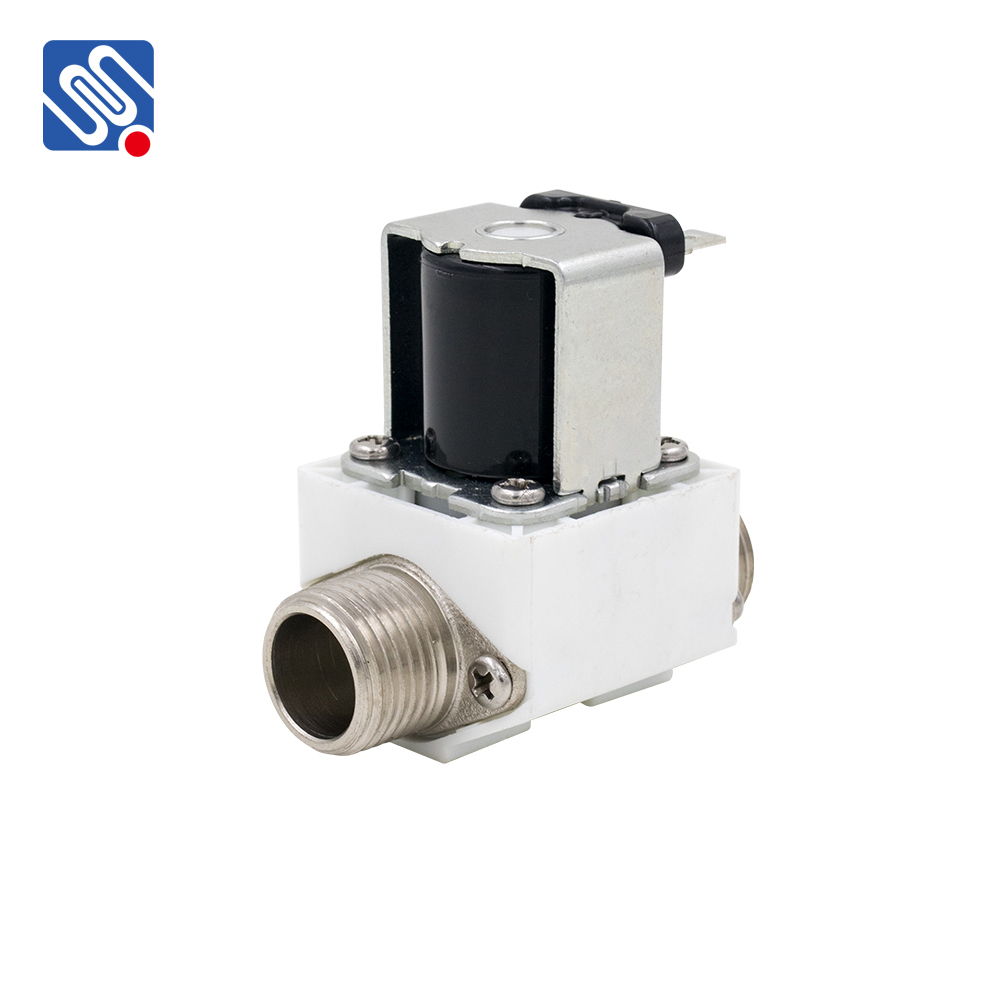
What is a High Flow Solenoid Valve? A High Flow Solenoid Valve is an electromechanical device that uses an electromagnetic coil to control the opening and closing of a valve, which in turn regulates the flow of fluids in a system. The "high flow" aspect of the valve refers to its capability to handle a substantial volume of fluid (either gas or liquid) at high speeds, while still maintaining reliable control over the flow rate. Typically, these valves are used in applications where rapid flow and quick response times are crucial. Working Principle of High Flow Solenoid Valves The working mechanism of a High Flow Solenoid Valve is relatively straightforward but effective. It operates through the interaction of an electric current and a magnetic field. When an electric current passes through the solenoid (the coil inside the valve), it generates a magnetic field that attracts a plunger or armature, causing the valve to open. Conversely, when the power is turned off, the magnetic field collapses, and a spring or another return mechanism closes the valve.




 Chat Oline