high current relay: the power behind heavy duty electrical systems
Release time:2025-12-10 12:09:57
High Current Relays (HCRs) play a crucial role in managing electrical circuits that demand the handling of large currents. These specialized devices ensure the safe and efficient operation of heavy-duty electrical systems, such as those in industrial machinery, electric vehicles, and power distribution networks. This article explores the function, design considerations, and key applications of High Current Relays in various sectors.
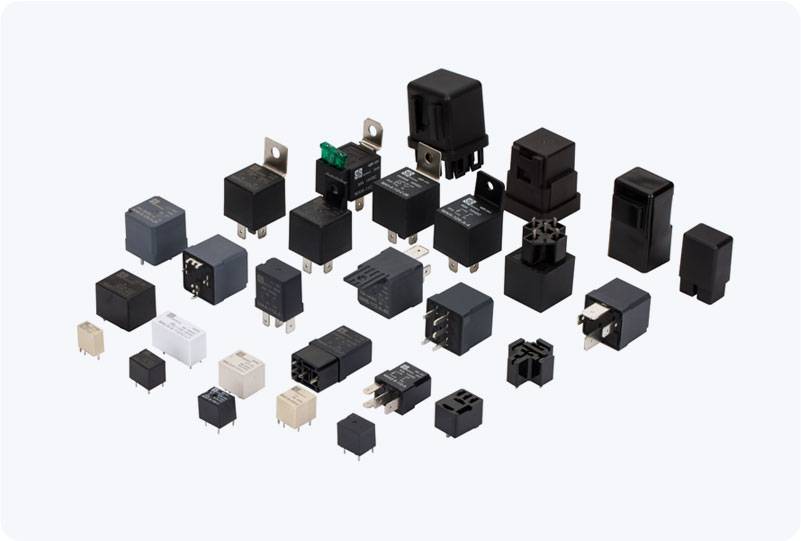
What is a High Current Relay? A High Current Relay is an electrically operated switch designed to control high power circuits. Unlike standard relays, which are used for low current applications, HCRs are engineered to handle much higher electrical loads, often in the range of tens to hundreds of amps. These relays provide a way to control the flow of large currents safely by switching electrical circuits on or off, typically with a low control voltage. The key function of a High Current Relay is to open or close circuits that control the power supply to heavy-duty electrical components. When a signal is sent to the relay’s control circuit, it triggers the switch to either connect or disconnect the high-power circuit, thereby enabling or disabling the electrical load.




 Chat Oline