understanding relay performance metrics: key indicators for optimizing data transmission
Release time:2025-12-10 12:34:22
Relay performance metrics play a crucial role in optimizing the efficiency, reliability, and quality of data transmission in various systems. Whether in wireless communication, distributed networks, or telecommunications, understanding these metrics is vital for ensuring that the relay nodes (or intermediary devices) function efficiently. This article explores the most significant relay performance metrics, their importance, and how they impact system design and performance.
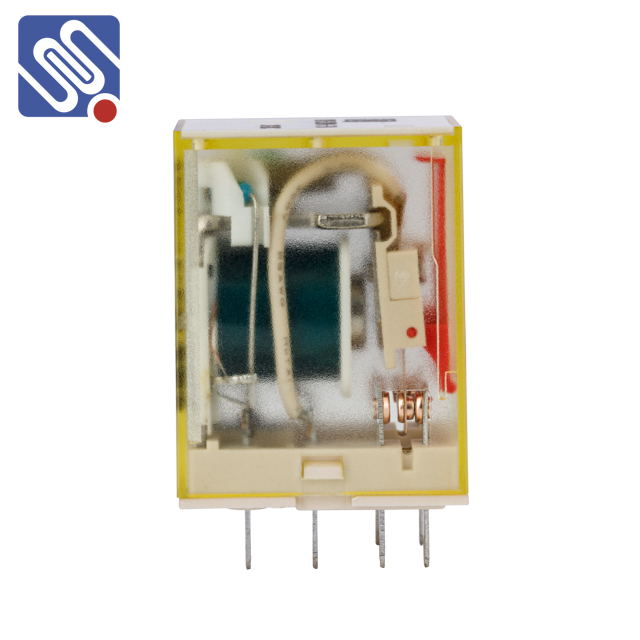
1. Latency Latency is one of the most fundamental relay performance metrics. It refers to the delay experienced by a data packet as it is transmitted from its source to its destination via a relay node. In simpler terms, latency measures how long it takes for a data packet to travel from the sender to the receiver after passing through one or more relay points. For applications like real-time video streaming, online gaming, and voice communication, low latency is critical. Even slight delays can cause noticeable disruptions in these services. The performance of relay nodes can directly affect the latency, with longer delays resulting in poor user experiences.




 Chat Oline