understanding iec 61811 ev relay: ensuring safe and efficient electric vehicle charging
Release time:2025-12-11 05:48:52
As the world moves toward more sustainable transportation options, electric vehicles (EVs) are rapidly gaining popularity. To facilitate the widespread adoption of EVs, efficient and safe charging infrastructure is essential. One crucial component in this infrastructure is the EV relay, specifically designed according to the IEC 61811 standard. The IEC 61811 EV Relay plays a pivotal role in ensuring the safe and efficient operation of electric vehicle charging systems. This article explores the importance of IEC 61811 EV relays, their technical specifications, and how they contribute to the reliability of EV charging systems.
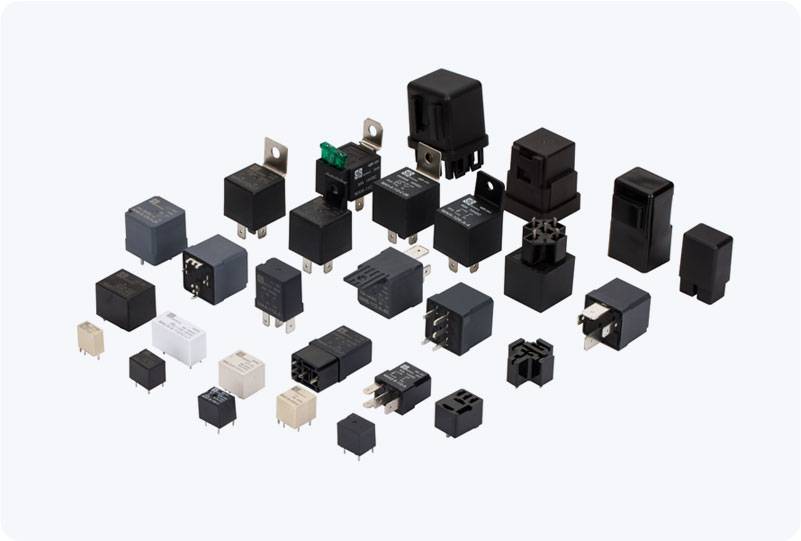
What is IEC 61811? IEC 61811 is an international standard developed by the International Electrotechnical Commission (IEC) that focuses on the performance requirements and safety features of relays used in electric vehicle charging systems. The standard specifies the technical and operational criteria for relays that control the electric current flowing between the charging station and the vehicle's battery, ensuring safe and efficient charging. The Role of EV Relays in Charging Systems The EV relay serves as an essential component in the electrical circuit between the EV and the charging station. It acts as a switch that can control the flow of power, connecting or disconnecting the vehicle from the grid as needed. During the charging process, the relay monitors the electrical conditions and helps protect both the vehicle and the charging station from potential issues such as overcurrent, short circuits, or electrical surges.




 Chat Oline