understanding high current relay: key features and applications
Release time:2025-12-11 06:36:51
A High Current Relay is a crucial component in electrical circuits that require the control of large amounts of current. Whether in industrial machinery, automotive systems, or power distribution networks, the high current relay plays a significant role in safely switching high-power loads. As technology advances, the demand for more efficient, reliable, and durable relays to handle higher currents has become more prevalent. This article will explore the essential features, working principles, and common applications of high current relays.
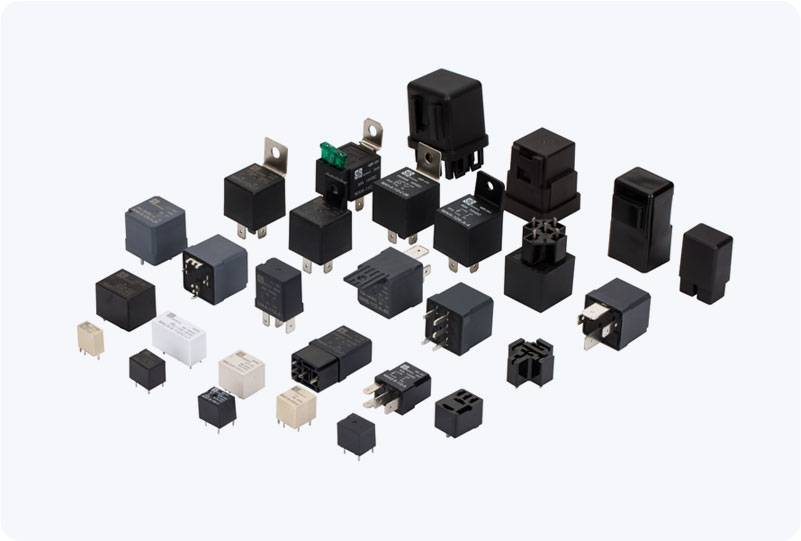
What is a High Current Relay? A high current relay is an electrically operated switch that controls the flow of large amounts of current to electrical devices. Unlike standard relays, which are designed for lower currents (usually less than 10 amps), high current relays are built to handle currents that can exceed 10 amps and even reach hundreds of amps in some cases. They are typically used to switch high-power equipment like motors, heating elements, and industrial machinery, where the current demands far exceed those of ordinary electrical circuits. Key Features of High Current Relays




 Chat Oline