understanding the 220v 30a relay: a key component in electrical systems
Release time:2025-12-11 16:12:16
A 220V 30A relay is a crucial component in various electrical and electronic applications, playing a pivotal role in controlling circuits and managing high-power loads. These relays are designed to switch electrical devices on and off based on low voltage signals, offering a safe and efficient way to control heavy-duty equipment. In this article, we will explore the functionality, types, and applications of the 220V 30A relay, emphasizing its importance in modern electrical systems.
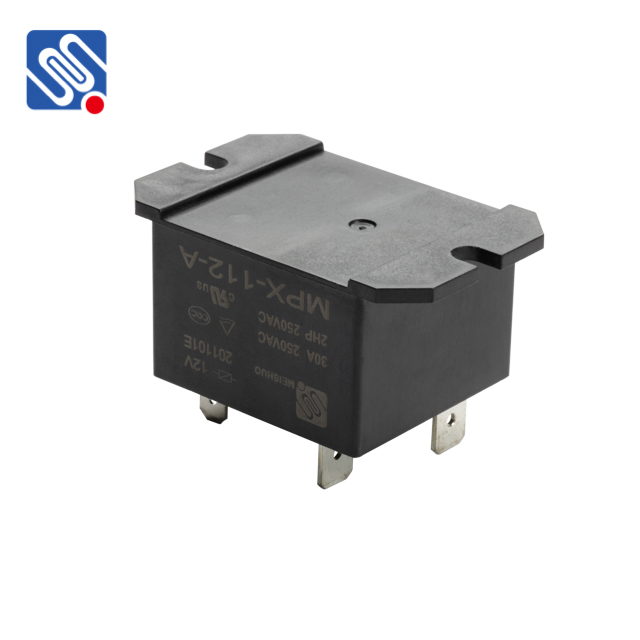
What is a 220V 30A Relay? A relay is an electrically operated switch that allows one circuit to control another, enabling the management of high-current or high-voltage systems with a low-power signal. The "220V" refers to the voltage level that the relay is designed to handle, while "30A" indicates the maximum current the relay can safely switch. Specifically, a 220V 30A relay is designed to handle 220 volts of AC (alternating current) and can switch up to 30 amps of current. The operation of a relay is relatively simple: when a control signal is applied to the coil of the relay, it creates a magnetic field that activates a switch, closing or opening the contacts within the relay. This allows for the control of high-power devices without directly interacting with the high voltage or current, ensuring safety and reliability.




 Chat Oline