understanding relay circuits: key components and applications
Release time:2026-01-14 17:49:42
Relay circuits are fundamental components in electrical engineering and automation systems. These circuits utilize a relay, which is an electromagnetic switch, to control high-voltage or high-current electrical devices using a low-voltage control signal. By isolating the control circuit from the load circuit, relays provide protection and allow precise control of electrical systems. In this article, we will explore the key components, working principles, and common applications of relay circuits.
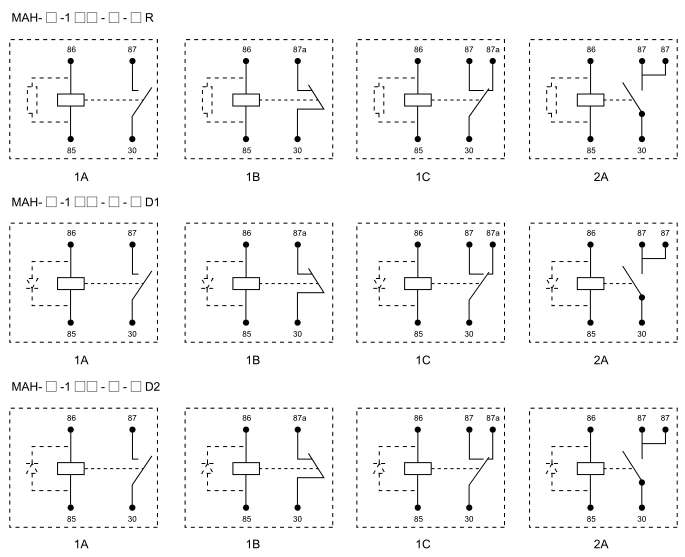
Key Components of a Relay Circuit
A relay circuit consists of several key components that work together to control the flow of electricity:
Relay Coil: The relay coil is an electromagnet that, when energized, generates a magnetic field. This magnetic field is responsible for pulling or pushing the armature (the moving part of the relay), which causes the contacts to open or close. The coil is typically made of copper wire wound around a core, which, when energized, creates the magnetic effect.
Armature: The armature is a movable metal part that responds to the magnetic field generated by the relay coil. When the coil is energized, the armature moves, either closing or opening the contacts. This action is what allows the relay to switch the connected load on or off.




 Chat Oline